
photo by John Crum
(This is most of the content as it appears in the book)
In the summer of 2006, the city moved to shut down our HarlemLIVE newsroom. Sections of plaster had fallen away in the stairwell, exposing the brick beneath. Inspectors decided the building was unsafe. For the teens who treated the newsroom like their second home, it wasn’t a bureaucratic ruling. It was a threat. They pushed back, and what followed revealed exactly what HarlemLIVE had become.
That moment is one scene in a fifteen-year run. This book shows how that resilience was built.
As a public school educator and founder of HarlemLIVE, I saw how teaching journalism to teens sharpened their curiosity. Equipped with press badges and a digital platform they ran themselves, students grew into reporters, photographers, designers, speakers, and organizers.
Why This Still Matters
Young people still need places where they can think, write, and work with purpose. HarlemLIVE offered that space. The lessons behind it still hold.
This book was written with several readers in mind: educators and mentors looking for practical ways to give young people real responsibility; readers interested in Harlem, youth culture, and the early internet; and HarlemLIVE alumni reconnecting with a shared history.
Some readers may move straight through the narrative, others may jump between sections. Both approaches reflect how HarlemLIVE itself worked.
Part 1: The HarlemLIVE Narrative
Part 1 is split into two sections that show how the program took shape.
Section A: The Accidental Educator
This section traces my path from California to New York City, into the classroom, and toward the ideas that eventually shaped HarlemLIVE.
The approach was simple: replace theory with real work and replace permission with ownership. Letter-writing campaigns. After-school trips. Guest speakers. A student-run newspaper. Even theatrical plays built from African Folktales and student writing. All of these methods pulled students in and taught them how to take ownership of their work.
This section shows how the philosophy behind HarlemLIVE was formed.
Section B: The Story of HarlemLIVE
This section traces the full arc of HarlemLIVE, from its earliest days as a fledgling newsroom to the work required to sustain it. The early chapters focus on building the program from scratch. The later chapters follow the pressures of growth, the challenges of leadership succession, and the breakthroughs that emerged when students took the reins.
The story is told primarily from firsthand experience, grounded in the day-to-day realities of running the program and enriched by reflections from alumni and mentors who were part of it.
Part 2: Building on Legacy: Strategies, Success Stories, and Resource Guide
Part 2 looks outward. It shows what others can adapt from HarlemLIVE and what the students carried into their adult lives.
Section C: Tenets of a Successful Youth Program
This section outlines the elements that made HarlemLIVE work: experiential learning, trust, mentorship, community involvement, and giving young people ownership of the work in front of them.
A chapter titled Creating Youth Journalists offers practical guidance for anyone starting youth-driven journalism projects and includes links to tools and resources.
Section D: From HarlemLIVE to the World
Alumni now work in fields ranging from software engineering to higher education to digital media. Treniese Ladson became a software programmer. Dr. Odie Santiago teaches at the University of San Diego. Dion Yang travels the world as a YouTube creator. Their stories show how powerful it is when young people learn by doing rather than waiting for permission.
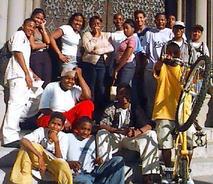
This book provides a historical account of such a space and explores the universal components that made it a success—lessons that can be replicated and adapted to today’s context. For educators, policymakers, parents, and anyone interested in empowering the next generation, HarlemLIVE’s story offers invaluable insights and inspiration.
The story of HarlemLIVE offers hope, showcasing methods that empower young people to take control of their future and ameliorate negative social behaviors brought on by lockdowns and isolation.
Discussion Points:
- Explore the ways in which technology, such as artificial intelligence (AI), can be integrated into youth-oriented programs for skill development.